

Starting a creative project can be exciting, but choosing the right supplies is sometimes more difficult than the actual artwork. With so many types of paints, pens, markers, papers, brushes and accessories available, it is easy to buy materials simply because they look interesting. The result can be a crowded drawer full of supplies that are rarely used.
A better approach is to build an art kit around the types of projects you genuinely enjoy. Someone who loves watercolor painting will need a different selection from someone who prefers illustration, journaling, lettering or DIY crafts. Once the basic materials are chosen, additional tools can be added gradually as new techniques become part of your creative routine.
Grabie has developed an extensive selection covering watercolor painting, acrylic markers, alcohol markers, drawing pens, brushes, sketchbooks, coloring books, stationery and creative kits. Its current collections also include art sets and bundles designed to make experimenting with different mediums more accessible.
The goal is not to own every possible art supply. Instead, a versatile collection should give you enough flexibility to explore while keeping your workspace practical and organized.
Start With a Medium You Actually Enjoy
The easiest way to build an art kit is to begin with one primary medium. Think about what you naturally enjoy doing when you have free time. Do you prefer painting soft landscapes, creating colorful illustrations, decorating objects, drawing detailed designs or filling coloring books?
Grabie offers watercolor sets that can work for both beginners and artists who want to explore portable painting. Its current range includes an all-in-one watercolor set, watercolor paper and coloring books designed around painting practice.
Watercolor can be a good starting point for people who enjoy blending and creating gradual changes in color. It also encourages experimentation because the same pigment can look completely different depending on how much water is used.
If drawing and bold color are more appealing, markers may be a better foundation. Acrylic markers are particularly useful for creators who want opaque color and the ability to work across different surfaces.
The important thing is to avoid buying several complete collections immediately. Choose one medium, spend time learning how it behaves and then identify what your current kit is missing. This approach makes every future purchase more purposeful.
Choose Markers According to Your Technique
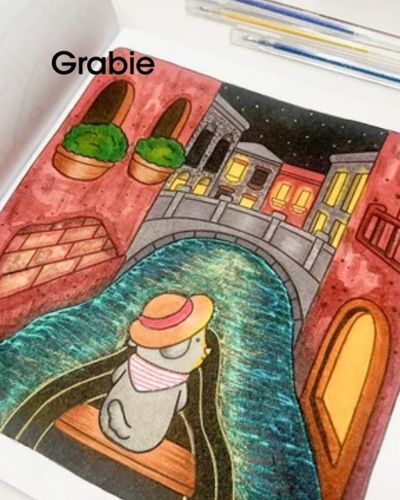
Markers can serve many different purposes, but not every marker is designed to produce the same effect. Understanding the difference between marker types can help you choose a set that matches your creative style.
Grabie currently offers acrylic markers with different tip designs, including extra-fine, medium and brush-style options. The acrylic collection also includes different color ranges and specialty finishes.
Extra-fine tips can be useful when your projects involve outlines, small details, lettering or intricate illustrations. A broader tip, on the other hand, can make filling larger areas faster and more efficient. Brush tips provide greater flexibility because changing pressure can affect the width and character of a stroke.
Acrylic markers can also be useful beyond traditional paper. Current product information describes Grabie acrylic markers as suitable for surfaces including paper, wood, canvas, glass, stone, fabric and other materials, although the suitability and permanence can vary by surface and product.
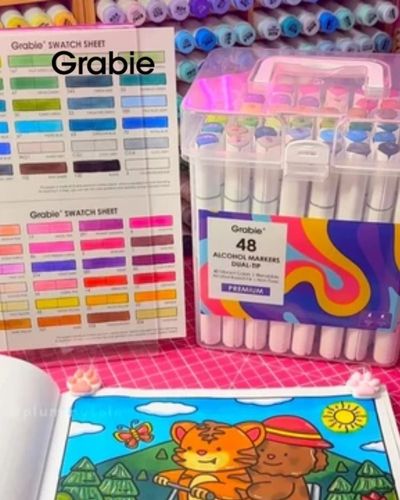
Alcohol-based markers offer another creative direction. They are particularly useful for blending, shading and creating smooth gradients on suitable paper.
Instead of choosing a marker set solely because it has the largest number of colors, consider the type of artwork you want to create. A carefully selected palette can often be more useful than dozens of colors that rarely appear in your projects.
Add Drawing Pens for Details and Journaling
Paint and markers can provide color, but drawing pens are often what bring definition and small details to a finished project. They can be useful for outlining illustrations, adding handwritten elements, creating patterns or decorating journals.
Grabie’s current drawing and stationery collections include waterproof multiliner pens, brush pens, glitter gel pens and other writing tools.
Fineliners are particularly useful when precision matters. Different line widths can create visual hierarchy, allowing some parts of an illustration to appear heavier while smaller details remain delicate.
Brush pens can take your work in another direction. Their flexible tips make them suitable for expressive lettering, decorative lines and illustrations where line width changes naturally.
For journaling, erasable gel pens can be useful when you want to experiment without committing to every mark. Grabie currently offers a 36-color medium-point erasable gel pen set in several color palettes.
Specialty pens, such as glitter or metallic options, can then be treated as finishing tools. Rather than using them everywhere, reserve them for highlights, titles, borders or small decorative details. This makes their effect more noticeable and keeps a page from becoming visually overwhelming.
Pick Paper That Matches the Project
Good art supplies cannot compensate for paper that is unsuitable for the medium. The surface you choose can affect how color spreads, how quickly ink dries and whether the finished work remains neat.
For watercolor, heavier paper is generally preferable because it is designed to handle water more effectively than ordinary writing paper. When working with markers, you may want a surface that allows smooth application while helping control bleed-through.
Grabie’s current range includes watercolor paper pads, artist sketchbooks, mixed-media pads and journaling notebooks, giving creators different surfaces for different activities.
A practical creative kit can therefore include more than one type of paper. Keep a sketchbook for quick ideas and practice, watercolor paper for wet techniques and a suitable drawing pad for illustration or marker work.
It is also useful to avoid testing an unfamiliar medium directly on an important finished piece. Keep a few spare sheets nearby and test the color, pressure and layering first.
This simple habit can help you understand how a particular pen or paint behaves before you use it for a larger project.
Build a Small Craft Section for Experimentation
Art does not have to stay inside a sketchbook. Craft projects can provide a different way to use color, patterns and illustration skills, especially when you want to make something functional or decorative.
Grabie’s current collections include craft-oriented products and creative kits alongside its traditional drawing and painting supplies. Its art collections also feature coloring kits, accessories and tools designed for different kinds of creative projects.
A small craft section could include materials for decorating paper, creating cards, personalizing objects or experimenting with mixed-media designs. The exact supplies will depend on your interests, so there is no need to create a large collection immediately.
The advantage of combining art and crafts is that one skill can often be transferred to another project. Color blending learned through painting can improve decorative work, while experience with lettering can make handmade cards or journals more expressive.
Kits can also be helpful when you want to try a new activity without purchasing every component separately. They can provide a structured starting point while leaving room for personal experimentation.
Most importantly, keep your craft supplies visible and organized. If materials are difficult to find, you may be less likely to use them.
Organize Your Kit Around Your Creative Routine
Once you have chosen your core supplies, organization becomes just as important as selection. A large collection can quickly become frustrating if you spend more time searching for tools than using them.
Grabie offers a broad assortment of art supplies and sets, which makes it possible to build a collection gradually around your interests rather than purchasing everything at once.
Start by separating supplies according to their function. Keep painting materials together, drawing pens in one place, paper stored flat or appropriately protected, and craft accessories in separate containers. Frequently used tools should remain easy to reach.
Color organization can also make a difference. Markers and pens can be grouped by color family or type, while watercolor palettes can be arranged so that frequently used shades are easy to identify.
Keep a small testing area in your workspace as well. Scrap paper can be used to test unfamiliar colors, check marker flow or experiment with combinations before beginning the final artwork.
Finally, review your supplies every few months. Replace dried-out pens, protect paints and markers properly, and remove materials that no longer work. If you notice that one technique is becoming your favorite, you can invest in better or more specialized tools for it.
The strongest art kit is not necessarily the largest. It is the collection that makes creativity easy to start. A reliable primary medium gives you direction, versatile markers and pens expand your possibilities, suitable paper improves results, craft supplies encourage experimentation and good organization keeps everything accessible.
As your skills develop, your collection can grow naturally. Instead of buying supplies simply because they are attractive, choose tools that solve a specific creative need or introduce a technique you genuinely want to learn.
That approach makes art shopping more intentional while still leaving plenty of room for discovery. Whether you are painting for relaxation, illustrating ideas, decorating journals, making handmade projects or simply experimenting with color, a thoughtfully assembled kit can make every creative session more enjoyable.