

Starting a garden can feel complicated when there are so many seeds, plants, containers, tools, and growing methods to choose from. The easiest way to avoid becoming overwhelmed is to start with the space you have, understand what you actually want to grow, and create a simple plan before buying anything. A successful garden does not need to begin with dozens of varieties. It can start with a few carefully selected plants and gradually become more ambitious.
Burpee offers seeds and plants across vegetables, fruits, herbs, flowers, and perennials, along with gardening supplies for seed starting, containers, raised beds, watering, plant support, soil care, and other growing needs. Its collection also includes selections specifically grouped for beginners and smaller spaces.
Begin With the Space You Actually Have
The first step in planning a garden is not choosing seeds. It is understanding the growing space available to you. A large backyard, raised bed, balcony, patio, or windowsill will each require a different approach. Trying to copy the garden of someone with completely different conditions can create unnecessary problems.
Burpee has a dedicated collection for container gardening that includes vegetables, herbs, flowers, perennials, and suitable supplies for patios, decks, and other small spaces.
Start by observing how much sunlight your chosen area receives during the day. Also consider access to water, protection from strong winds, drainage, and how much room plants will have to spread. These details can influence which varieties are practical.
If space is limited, containers can be a useful way to begin. They allow gardeners to work with a manageable number of plants without needing a traditional garden bed. Larger outdoor areas provide more possibilities, but they also require more planning because spacing, watering, and maintenance become more important.
A realistic assessment of your space gives you a much stronger foundation than simply buying whatever catches your attention.
Choose Plants Based on Your Goals
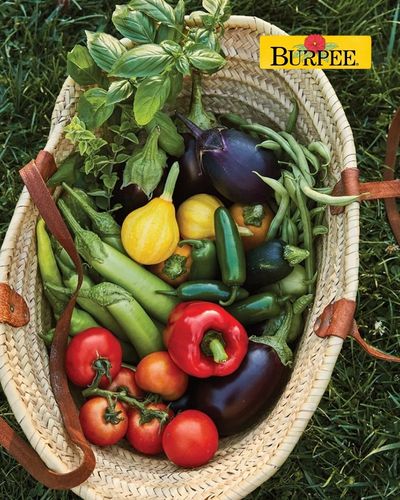
After understanding the available space, decide what you want the garden to provide. Some people want fresh vegetables, while others are more interested in herbs, colorful flowers, pollinator-friendly plants, or a combination of several types.
Burpee’s seed selection covers a wide range of vegetables, fruits, herbs, flowers, and perennials. Its current collection includes familiar choices such as tomatoes, peppers, carrots, cucumbers, beans, lettuce, basil, parsley, marigolds, zinnias, and many other varieties.
A useful beginner strategy is to choose plants you already enjoy eating or seeing around your home. Growing something you genuinely want makes the work more rewarding. You can then add one or two varieties that are new to you as an experiment.
Think about how much produce your household can realistically use. Planting far more than you can harvest may create unnecessary waste and extra maintenance. A smaller garden with plants you regularly use can be more satisfying than a large garden that becomes difficult to manage.
It is also helpful to group plants according to their purpose. You might create one area for cooking herbs, another for vegetables, and another for flowers. This makes the garden easier to understand and maintain as it grows.
Start With Easy-to-Grow Choices
New gardeners often make the mistake of choosing plants based entirely on appearance or enthusiasm. Some varieties require more attention, specialized conditions, or longer growing periods. Starting with easier options can help you gain confidence before taking on more demanding projects.
Burpee has a dedicated Easy to Grow collection featuring vegetables, fruits, herbs, flowers, and perennials selected for gardeners who want a more approachable starting point.
Begin with a manageable number of plants and learn how they respond to your environment. Pay attention to watering, sunlight, growth rate, and the amount of maintenance required. Keeping simple notes can help you remember what worked and what did not.
You do not have to become an expert before planting your first seed. Gardening is a process of observation. Two gardens can produce different results even when the same variety is planted because conditions such as sunlight, temperature, soil, and watering habits vary.
As your experience grows, you can experiment with more unusual vegetables, specialty flowers, or plants that require additional care. Early successes provide useful experience for future seasons.
Decide Between Seeds and Ready-to-Grow Plants
One of the biggest choices for a new gardener is whether to start from seeds or purchase plants that are already established. Both options can be useful, depending on your available time, space, experience, and growing conditions.
Burpee offers both seeds and garden-ready plants, including ready-to-grow herbs such as basil, parsley, cilantro, rosemary, sage, thyme, mint, and oregano. Its garden-ready plants are intended to give gardeners a jumpstart rather than requiring every plant to begin from a seed.
Seeds provide a wider opportunity to experiment and can be particularly satisfying for gardeners who enjoy watching the entire growing process. They also make it possible to plan multiple varieties and start plants according to the appropriate growing schedule.
Ready-to-grow plants, on the other hand, can make the beginning of a garden feel less intimidating. They are especially useful when you want to establish a herb garden or add mature plants without spending as much time on the earliest stages of growth.
You can also combine the two approaches. Start a few easy plants from seed while purchasing several established plants for quicker results. This creates a balance between learning and convenience.
Prepare the Right Growing Setup
Good gardening is about more than selecting attractive plants. The environment in which they grow matters just as much. Before planting, make sure you have the basic equipment necessary to give the garden a good start.
Burpee’s gardening supplies include seed-starting trays, growing systems, containers, raised beds, fertilizers and soil products, watering equipment, cages and supports, frost protection, grow lights, and other accessories.
Seed starting indoors can require trays and suitable growing materials, while container gardens need appropriately sized pots and reliable drainage. Larger plants may need stakes, cages, clips, or other forms of support as they develop.
Organization is useful too. Simple plant labels can help you remember which varieties you planted and where. Burpee currently offers plant markers, labels, clips, seed sowers, and other small gardening accessories.
Do not feel that you need every gardening tool immediately. Buy the equipment that supports the plants you have actually chosen. As your garden expands, your collection of tools can expand with it.
Create a Routine You Can Maintain
A garden becomes much easier to manage when care is turned into a routine. Instead of waiting until plants look stressed, make regular checks part of your week. Walk through the garden, inspect leaves and soil, check supports, remove unwanted growth when necessary, and monitor whether plants need attention.
Burpee also provides a Garden Guide with gardening tips and how-to content covering topics such as harvesting vegetables, growing herbs, and seasonal gardening.
Keep the routine realistic. A garden that requires more daily attention than you can provide may become frustrating. This is another reason to begin with a manageable number of plants.
Record important observations as you go. Note planting dates, varieties, harvest periods, and problems you encounter. At the end of the season, these notes can become one of your most useful gardening resources.
The goal is not to create a perfect garden immediately. It is to create a garden you can enjoy caring for. With each season, you learn more about your space, your preferred plants, and the routines that fit naturally into your life.
Whether you are growing herbs on a patio, vegetables in raised beds, or flowers throughout a backyard, thoughtful planning can make the process far more approachable. By starting with your available space, choosing plants according to your goals, selecting beginner-friendly varieties, combining seeds with ready-to-grow plants, preparing only the supplies you need, and developing a sustainable care routine, you can build a garden that grows with your experience.