

An electric bike can serve very different purposes depending on where and how you ride. For one person, it may be a practical way to commute to work or run errands. For another, it may be a way to explore gravel paths, trails, hills, or rougher terrain on weekends. Choosing the right model therefore requires more than comparing motor power or looking at the most impressive specifications. Qlife offers several types of electric bikes, including commuter models, folding bikes, fat-tire designs, mountain e-bikes, moped-style bikes, and electric trikes.
Start With Your Everyday Route
The best place to begin is with the route you expect to ride most often. Think about whether your journey is mainly on paved streets, bike paths, gravel, grass, hills, or a combination of surfaces. Your surroundings can make a major difference when deciding between a lightweight commuter design and a wider, more rugged model.
Qlife’s Cityone Plus Step-Thru is designed around everyday commuting, with a low-step frame intended to make mounting easier and a more upright riding position. The company also offers the Cityone Step Over 2.0 for riders who prefer a more traditional bicycle frame.
For mostly paved commutes, a conventional commuter bike may be easier to handle and store than a large fat-tire model. If your route includes uneven roads or occasional gravel, however, additional suspension and wider tires can become more useful.
Before choosing, measure your typical journey and consider the practical details too. Are there steep sections? Do you need to carry a backpack or groceries? Will you have to lift the bike up stairs? These questions can be more important than choosing the bike with the highest numbers on its specification sheet.
Choose the Right Frame and Riding Position
Frame design affects how easy an electric bike feels to use every day. A step-through frame can be especially convenient when you frequently stop, start, or need easier access when getting on and off the bike.
The Cityone Plus is currently positioned by Qlife as an accessible commuter option, while models such as the Hunter and Hunter Plus use folding frames for riders who need greater flexibility when transporting or storing their bike.
Folding capability can be valuable if you live in an apartment, travel with your bike, or have limited garage space. However, a folding bike is not automatically the best choice for everyone. Consider its folded dimensions, weight, wheel size, and whether you can comfortably lift and transport it.
Riding position matters as well. A more upright setup can feel natural for everyday city riding, while a mountain-bike-style position may appeal to riders who want greater control on recreational trails. Moped-style models provide another alternative for people who prefer a different seating position.
The right frame should make your normal riding feel comfortable rather than forcing you to adapt your routine around the bike.
Understand Tires and Suspension
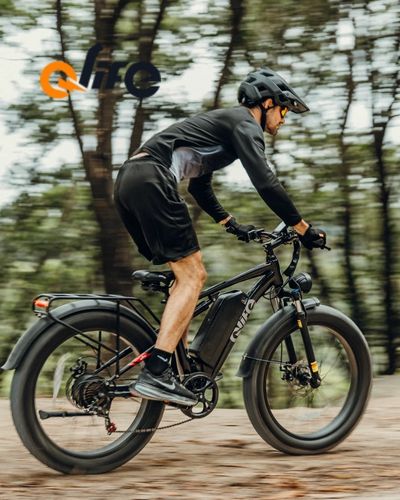
Tires are one of the easiest specifications to overlook, yet they have a major influence on how an electric bike feels. Narrower tires can suit paved routes and traditional cycling, while fat tires provide a larger contact area that can be useful on loose or uneven surfaces.
Qlife’s lineup includes both conventional bicycle-style tires and wide fat tires. Its Racer models, for example, include 20-inch and 26-inch fat-tire configurations, while the Racer Ultra uses 27.5-inch wheels with a more traditional mountain-bike format.
Suspension is another feature worth matching to your terrain. Front suspension can help absorb impacts from uneven streets, gravel, and light trails. Full suspension adds rear shock absorption as well and can be more appropriate for riders who regularly encounter rougher terrain.
Qlife’s current full-suspension range includes mountain, fat-tire, moped-style, and other performance-oriented formats. The important point is not simply to choose the bike with the most suspension. More suspension can also add weight and complexity, so it makes sense to select it when your riding environment actually benefits from it.
For smooth urban commuting, a simpler setup may be sufficient. For frequent trail riding, additional suspension can provide a more comfortable and controlled experience.
Match Battery Capacity to Your Routine
Battery capacity becomes especially important when an electric bike is part of your regular transportation. Your ideal battery depends on distance, terrain, rider and cargo weight, riding mode, weather, and how frequently you can recharge.
Qlife currently offers models with different battery configurations. For example, the Cityone Plus is listed with a 48V 15Ah battery, while the Hunter Plus uses a 48V 20Ah battery and is designed around heavier utility and all-terrain use.
Rather than choosing based only on the maximum advertised range, consider your normal round trip. If your commute is relatively short and you can charge at home every evening, you may not need the largest battery available. If you regularly travel longer distances or ride in areas with hills, having additional capacity can provide more flexibility.
It is also useful to consider charging habits before buying. Think about where the bike will be stored, whether the battery is removable, and how easily you can access a suitable charging point.
A realistic understanding of your weekly mileage will help you choose a battery that fits your actual needs instead of paying for capacity you rarely use.
Decide How Much Performance You Really Need
Electric bikes come with dramatically different performance levels, and more power is not automatically better. A commuter who rides at moderate speeds through a city may have little reason to choose a high-performance off-road model.
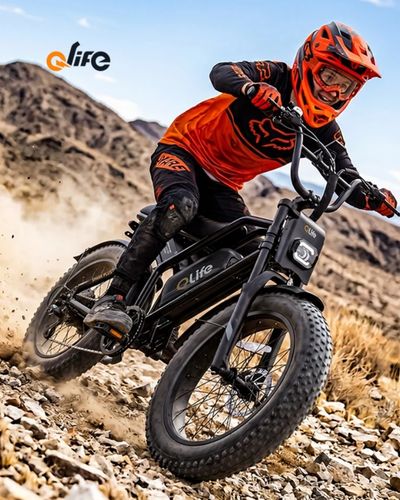
Qlife’s current range spans relatively practical commuter bikes through powerful fat-tire and dual-motor models. The Racer Max, for example, combines dual motors, full suspension, and a 26 x 4.0-inch fat-tire setup, while Spark models use a moped-style format with different power configurations.
For recreational trail riding, performance can be useful when hills and loose terrain are part of the route. But high-output models may also be heavier and more demanding to control. Riders should therefore consider their experience level, intended riding environment, local regulations, and appropriate protective equipment before selecting a performance-oriented bike.
Qlife also offers electric trikes, which approach performance from a different direction. The Triker 2.0 and Triker Plus use three-wheel designs intended to provide additional stability, with folding frames and cargo-oriented features.
The smartest choice is the amount of performance that makes your planned rides easier and more enjoyable without adding unnecessary bulk or complexity.
Build Your Bike Choice Around Your Lifestyle
Once you have considered your route, frame, tires, suspension, battery, and performance requirements, look at how the bike will fit into your broader lifestyle. Storage, transportation, cargo, maintenance, and riding frequency can all influence whether a particular model remains practical after the initial excitement of buying it.
Qlife’s range includes folding Hunter models for utility-focused riders, Cityone bikes for commuting, Racer models for mixed terrain and trails, and Triker models for riders who value three-wheel stability and carrying capability. This variety makes it possible to approach the purchase according to lifestyle rather than simply selecting one universal model.
If your main goal is commuting, prioritize comfort, reliable battery capacity, easy mounting, and manageable storage. If you want weekend adventures, focus more on tires, suspension, geometry, and terrain capability. For carrying groceries or equipment, look closely at racks, payload guidance, and overall bike weight. If transportation and storage are major concerns, folding designs may offer a practical advantage.
The ideal electric bike is ultimately the one that fits naturally into the rides you already want to make. By identifying your route first, matching the frame and tires to your environment, choosing a realistic battery capacity, and selecting only the level of performance you genuinely need, you can make the decision much easier. Qlife’s broad range gives riders several formats to consider, from practical city commuting to recreational off-road exploration, so the goal is not to find the most powerful bike but the one that makes your everyday riding more enjoyable, comfortable, and useful.