

Discover Practical Solutions for Everyday Repairs and DIY Projects
Taking care of a home, maintaining equipment, or completing a creative project often requires the right tools and components. From small household repairs to more technical tasks, having suitable supplies can make work more organized and efficient. Harfington is an online shopping platform specializing in spare parts, hardware, tools, industrial accessories, and products for DIY enthusiasts and professional users.
Whether you enjoy fixing things at home or regularly work with machinery, finding compatible components is an important first step. A simple repair may require fasteners, hinges, connectors, or replacement fittings, while a more advanced project might involve electrical components, mechanical parts, or specialized tools. Choosing suitable products helps you approach each task with greater confidence.
Before browsing, take a moment to define your project’s requirements. Identify the item that needs repair, determine which component is missing or damaged, and check whether you need a complete tool or only a replacement part. Taking photographs and recording measurements can help you compare available options more accurately.
It is also useful to consider how frequently you will use the product. Occasional household tasks may require a different solution from repeated workshop or industrial applications. By understanding your needs before purchasing, you can avoid unnecessary spending and focus on products that offer practical value.
A well-planned approach to DIY work starts with preparation. When you know what you need, shopping becomes more focused, and the chances of selecting unsuitable parts are reduced.
Find the Right Hardware and Replacement Components
Small hardware components often play a major role in keeping equipment, furniture, and household fixtures functional. Screws, bolts, nuts, washers, hinges, pins, and brackets may look simple, but selecting the wrong size or material can create problems during installation or use.
Harfington provides a broad selection of hardware and fastening products for different applications. These components can be useful for furniture assembly, equipment maintenance, workshop projects, and other repair tasks. The important step is identifying the specifications required for your particular application.
Start by checking measurements carefully. For threaded components, consider diameter, length, thread type, and pitch when applicable. For hinges or brackets, examine dimensions, mounting arrangements, and load requirements. If you are replacing an existing component, comparing the original part with the product specifications can help you identify a suitable match.
Material selection also matters. Stainless steel, carbon steel, brass, and other materials have different properties, including strength, corrosion resistance, and suitability for particular environments. A component used outdoors may need different corrosion protection from one installed inside a dry room.
Do not rely on appearance alone. Two parts may look similar but have different dimensions or performance characteristics. Read the product description and check any available technical drawings before ordering.
Keeping a small, organized supply of commonly used hardware can make future repairs easier. However, purchasing a large quantity before confirming compatibility may lead to unnecessary waste. Start with the parts you genuinely need, verify their suitability, and build your collection gradually as your projects develop.
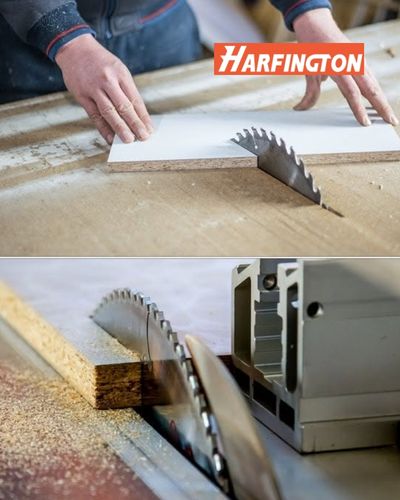
Equip Your Workspace for More Efficient DIY Tasks
A functional workspace makes repairs and creative projects easier to manage. Whether you use a small table at home or a dedicated workshop, organizing tools and materials can reduce interruptions and help you work more comfortably.
Harfington offers products across several tool and equipment categories, including hand tools, fastening supplies, electrical components, and items for DIY fabrication. Exploring these categories can help you identify the equipment needed for a particular task rather than buying tools without a clear purpose.
Begin with the essentials required for your most common projects. Measuring tools, suitable screwdrivers, pliers, fastening equipment, and storage containers can be useful for many everyday repairs. More specialized equipment should be selected according to the work you intend to perform and the level of precision required.
Organization is equally important. Store small parts in labeled containers and keep frequently used tools within easy reach. Separating screws, connectors, washers, and other components by type and size makes them easier to find. It also reduces the risk of mixing parts that appear similar but are not interchangeable.
Lighting and working space deserve attention as well. Good visibility helps you inspect small components and identify installation details. Keep your work surface clear enough to handle materials safely, and avoid allowing loose wires, sharp objects, or heavy equipment to accumulate in areas where they could cause accidents.
Before using any tool, read the manufacturer’s instructions and wear appropriate protective equipment. Electrical work, heavy machinery repairs, and other potentially hazardous tasks may require specialized training or a qualified professional.
A well-organized workspace supports better preparation, reduces wasted time, and makes it easier to complete projects methodically.
Explore Electrical, Mechanical, and Industrial Components
Some repairs involve more than basic hardware. Electrical systems, machinery, appliances, and mechanical equipment may require specific components designed for particular operating conditions. In these situations, compatibility and technical accuracy are especially important.
Harfington’s catalog includes categories such as electrical and lighting hardware, power transmission products, pipe fittings, electronic parts, and industrial accessories. These options can support a variety of maintenance and repair needs, provided that the selected products match the specifications of the equipment being serviced.
For electrical components, check the relevant voltage, current rating, dimensions, connection type, and operating environment. Never assume that a component is suitable simply because its shape resembles the original part. Incorrect electrical specifications can damage equipment or create serious safety hazards.
Mechanical components require similar attention. Bearings, shafts, couplings, belts, and related parts may depend on precise dimensions and operating requirements. Review the equipment manual or existing component markings whenever possible. If the required specifications are unclear, consult a qualified technician before purchasing a replacement.
Pipe, tubing, and hose fittings also need careful comparison. Connection standards, diameter, material compatibility, pressure requirements, and the type of fluid or gas involved can affect suitability. Products should only be used within their specified operating limits.
For industrial or workshop applications, consider durability and environmental conditions. Heat, moisture, vibration, dust, and repeated mechanical stress can influence the performance of different materials and components.
Organizing your requirements before shopping makes technical comparisons more manageable. A list containing measurements, model references, and operating specifications can help you narrow the available options and reduce the risk of ordering incompatible parts.
Shop Smarter by Comparing Specifications and Value
Online shopping provides access to a wide range of tools and components, but a large catalog can make choosing the right item challenging. The most effective approach is to compare products based on their specifications and intended applications rather than selecting the first available option.
When browsing Harfington, use relevant categories and search terms to narrow your choices. If you know a component’s model number, dimensions, or technical name, include that information in your search. Specific details generally make it easier to distinguish between products that may look similar.
Read the product description carefully. Check dimensions, material, included accessories, compatibility information, and quantity per package. Some listings may offer individual components, while others may include multiple pieces. Understanding exactly what is included helps you calculate the quantity required for your project.
Price should be evaluated alongside suitability and expected use. A lower-priced product may be appropriate for a simple, occasional task, while demanding applications may require components with specific performance characteristics. However, a higher price does not automatically guarantee better suitability. Focus on verified specifications and the actual requirements of your project.
It is also worth reviewing shipping information, estimated delivery times, return conditions, and any applicable warranty details. If you are purchasing parts for an urgent repair, confirm the expected delivery schedule before placing the order.
For businesses and frequent buyers, planning purchases around maintenance schedules can improve organization. Keeping records of previously used part numbers and specifications can simplify repeat orders and reduce the time spent identifying compatible components.
Careful comparison helps you make informed decisions, manage your budget, and avoid the inconvenience of receiving products that do not fit your intended application.

Maintain Your Tools and Prepare for Future Projects
Choosing the right equipment is only one part of successful maintenance. Proper storage, regular inspection, and responsible use can help keep tools and supplies in good condition and make future projects easier to manage.
After completing a repair, clean your tools according to their care instructions and return them to their designated storage locations. Keep metal components dry when appropriate, and inspect tools for visible damage before using them again. Damaged electrical equipment, worn cutting tools, or defective fastening devices should be addressed before further use.
Organizing spare parts can also save time. Label containers with component types, dimensions, or model references so that you can identify the correct item quickly. Keep technical manuals, product information, and equipment records in an accessible place. These details become especially useful when replacing parts months or years after the original installation.
Harfington can be a useful place to explore when you need hardware, replacement components, DIY supplies, or specialized products for maintenance tasks. Its broad catalog allows shoppers to investigate different categories according to their project requirements.
Before beginning your next project, create a checklist of required materials, tools, measurements, and safety equipment. Confirm that each component is compatible with the system or object being repaired. For complex electrical, structural, or industrial work, seek professional guidance when needed.
Successful DIY work is built on preparation, careful selection, and consistent maintenance. By understanding your requirements, comparing product specifications, and organizing your workspace, you can approach repairs more efficiently and make better use of your tools and supplies.