

1. Discover the Right Equipment for Your Creative Journey
Photography and video production allow people to capture meaningful moments, share stories, and express their creativity. Whether you are a beginner learning photography, a content creator producing videos, or a professional working on commercial projects, having the right equipment can make your creative process more enjoyable. However, with so many cameras, lenses, accessories, and recording tools available, choosing the right products can feel overwhelming.
Adorama offers a wide selection of photography equipment, video gear, audio products, computers, lighting equipment, and other electronics. This variety makes it possible to explore different tools for personal hobbies, professional assignments, and content creation. Instead of purchasing equipment simply because it is popular, begin by identifying the type of work you want to accomplish and the features that matter most.
For example, someone interested in travel photography may prioritize a lightweight camera and a versatile lens, while a studio photographer might need professional lighting, tripods, and additional accessories. A video creator may focus on recording quality, microphone compatibility, and stabilization equipment.
Budget is another important consideration. Expensive equipment is not always necessary to produce impressive results. Learning composition, lighting, and editing can often improve your work more than upgrading every piece of equipment. Start with the essentials, understand their capabilities, and gradually expand your collection as your skills and projects develop.
2. Choose a Camera That Matches Your Photography Goals
A camera is one of the most important tools for capturing photographs and recording video. Nevertheless, the best choice depends on how you intend to use it, where you plan to shoot, and how much control you want over your images.
When exploring Adorama, compare different camera categories, including mirrorless cameras, digital single-lens reflex cameras, and compact models. Mirrorless cameras are popular among photographers and video creators because many offer advanced autofocus, interchangeable lenses, and sophisticated recording features. DSLR cameras can also be suitable for photographers who prefer their handling, available lens options, or established systems. Compact cameras may appeal to travelers and casual users who value portability.
Sensor size, resolution, autofocus performance, and low-light capabilities are useful specifications to consider. A higher resolution can provide greater flexibility when cropping photographs or producing large prints, but resolution alone does not determine image quality. Lens quality, lighting conditions, sensor performance, and photographic technique all contribute to the final result.
If video recording is your priority, investigate supported resolutions, frame rates, stabilization, audio connections, and recording limitations. These features can influence how effectively a camera supports interviews, product demonstrations, short films, or social media content.
Before purchasing, consider the entire camera system rather than the camera body alone. You may also need memory cards, batteries, a suitable lens, and a protective bag. Comparing the complete cost helps you avoid spending your entire budget on the camera itself.
3. Find Lenses and Accessories That Expand Your Creativity
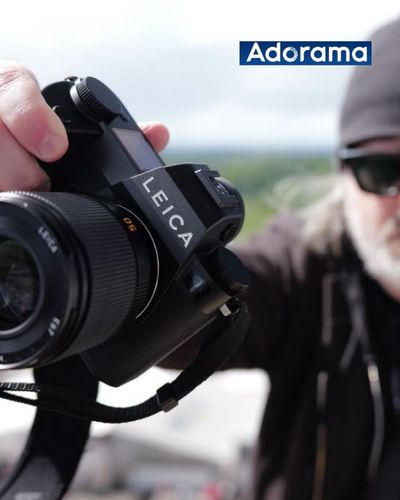
A camera provides the foundation for photography, but lenses and accessories determine how you approach many creative situations. Choosing the right combination can help you capture landscapes, portraits, close-up details, and distant subjects with greater flexibility.
Adorama provides access to photography equipment and accessories that can support different shooting styles. When selecting a lens, consider focal length, maximum aperture, compatibility with your camera, and the subjects you photograph most frequently.
Wide-angle lenses are useful for landscapes, architecture, interiors, and scenes where you want to include more of the surroundings. Standard zoom lenses offer flexibility for everyday photography, travel, and events. Telephoto lenses help bring distant subjects closer, making them useful for wildlife, sports, and certain portrait styles. Macro lenses are designed for close-up photography, allowing you to explore small details in flowers, products, and other subjects.
Aperture also deserves attention. Lenses with wider maximum apertures can help photographers work in lower light and create backgrounds with a softer appearance. However, these lenses may cost more or weigh more than alternatives, so compare their benefits with your actual needs.
Accessories can improve convenience and consistency. A sturdy tripod helps when photographing landscapes, capturing long exposures, or recording stable video. Extra batteries reduce interruptions during long sessions, while reliable memory cards provide the capacity and speed required for your camera’s recording settings. Cleaning supplies and protective cases can help maintain your equipment.
Rather than buying every available accessory, identify the limitations you encounter most often. Purchase the tools that address those challenges first, and build your collection gradually as your photography develops.
4. Improve Video, Audio, and Lighting Quality
Creating engaging video content requires more than a capable camera. Sound, lighting, stabilization, and thoughtful preparation all influence how professional a recording appears. Even a simple setup can deliver effective results when each component serves a clear purpose.
For creators exploring Adorama, audio equipment is worth considering early in the production process. Built-in camera microphones can be convenient, but they may capture unwanted background noise or produce inconsistent sound when the subject is far away. An external microphone can improve clarity for interviews, tutorials, product reviews, and presentations. Depending on your setup, you might consider a wireless microphone, a directional microphone, or a dedicated audio recorder.
Lighting is equally important. Natural window light can work well for portraits and product photography, while continuous LED lights provide greater control over brightness and positioning. Softboxes and diffusers help soften harsh light, reducing distracting shadows and creating a more balanced appearance. Reflectors can also redirect existing light without requiring additional powered equipment.
Video creators should consider stabilization tools, including tripods, monopods, and compatible camera stabilizers. The right option depends on whether you are recording stationary presentations, walking shots, interviews, or moving subjects. Check the equipment’s weight capacity and compatibility before buying.
Editing equipment and software can further support the production process. A computer with sufficient memory, processing power, and storage can make handling large video files more convenient. External storage drives may help organize projects and maintain backups.
Begin with the recording problems you need to solve. If your footage looks good but the sound is unclear, prioritize audio. If recordings appear dark or uneven, improve lighting before buying another camera. A balanced setup can produce better results while keeping your creative budget under control.
5. Shop Smart by Comparing Features, Prices, and Compatibility
Shopping for creative equipment becomes easier when you compare products according to practical requirements instead of focusing exclusively on price or popularity. A well-planned purchase should support your projects, fit your budget, and work with equipment you already own.
When browsing Adorama, read product descriptions carefully and compare the specifications that matter for your intended use. For cameras, review sensor type, supported recording formats, autofocus features, and lens compatibility. For microphones, examine connection types and recording requirements. For computers, consider processing performance, memory, storage, display quality, and the applications you plan to use.
Compatibility is especially important when purchasing lenses, batteries, chargers, memory cards, and mounting accessories. Two products may look similar but use different mounts, connections, or technical standards. Verify compatibility with the manufacturer’s documentation before completing your order.
It is also helpful to distinguish between essential features and optional extras. A beginner may not need every advanced video function available on a professional camera. Similarly, a photographer who primarily shoots outdoors may have different priorities from someone working in a controlled studio environment.
Check the total cost, including necessary accessories, shipping charges, and applicable taxes. Review the current return policy, warranty information, delivery estimates, and any conditions attached to discounted or pre-owned equipment. Availability and prices can change, so rely on the details displayed at the time of purchase.
If you are comparing several options, create a short list and evaluate each product against the same requirements. This simple process makes differences easier to understand and helps you choose equipment based on its usefulness rather than marketing alone.
6. Build a Creative Setup That Grows With Your Skills
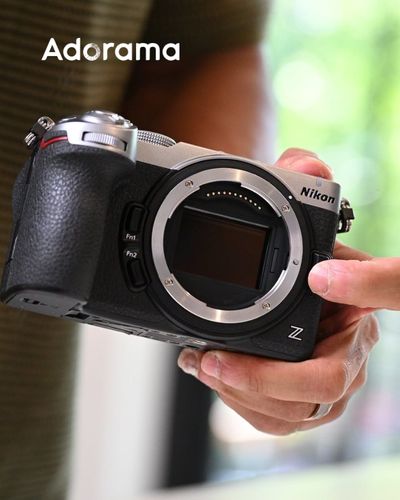
A successful creative setup is not necessarily the most expensive one. It is a collection of tools that works reliably, supports your goals, and leaves room for experimentation. Whether you photograph family occasions, create online content, produce music, or work on professional assignments, thoughtful equipment choices can make your workflow more organized.
Adorama provides a place to explore photography, video, audio, lighting, computing, and related creative products. As you compare available options, think about how each purchase fits into your broader workflow. A camera may require a compatible lens, a microphone may need a particular connection, and a video project may require additional storage. Planning these relationships helps you avoid unexpected expenses.
Organizing your equipment is another useful habit. Store memory cards in a protective case, keep batteries charged, label cables, and use appropriate bags for transporting delicate devices. Regular cleaning and careful handling can help preserve your gear, while backing up important photographs and video files protects your creative work.
As your skills improve, identify the limitations that genuinely affect your results. You may discover that a better lens would help with low-light photography, that additional lighting would improve product images, or that an external microphone would make tutorials easier to understand. Upgrading in response to real needs is generally more effective than replacing equipment simply because a newer model has appeared.
Most importantly, continue practicing. Learn how exposure, composition, lighting, sound, and editing work together. Experiment with different techniques, review your results, and make gradual improvements. The right equipment can support your creativity, but your ideas, experience, and willingness to learn are what bring your projects to life.