

Start With Your Route and Travel Plans
A road trip gives you the freedom to explore Canada at your own pace, but choosing the right rental car can make a major difference to the experience. The best vehicle is not necessarily the largest, most powerful, or most luxurious option. It should match the number of travellers, amount of luggage, road conditions, driving distance, and activities included in your itinerary.
Enterprise offers a broad selection of rental vehicles in Canada, including compact and economy cars, full-size models, SUVs, minivans, vans, trucks, and selected electric and luxury vehicles. Its Canadian network includes airport and neighbourhood locations across several provinces and major cities.
Begin by writing down the practical details of your journey. How many people are travelling? How many bags will you bring? Are you mainly driving through cities, or will your route include mountain roads and rural areas? Will you spend several hours behind the wheel each day? These questions can quickly narrow your choices.
For a couple travelling light, a compact car may be perfectly suitable. A larger family with several suitcases may need a spacious SUV or minivan. Meanwhile, a group travelling with outdoor equipment may benefit from additional cargo capacity. Choosing according to the actual trip rather than appearance can help you avoid paying for more vehicle than you need.
Choose a Vehicle That Fits Everyone Comfortably
Passenger comfort becomes increasingly important as driving distances grow. A car that feels spacious during a short city journey may become less comfortable after several hours on the road. Before selecting a vehicle, consider legroom, seating capacity, luggage space, and how frequently passengers will need access to their bags.
Enterprise’s Canadian vehicle range includes economy and compact cars as well as larger full-size models, SUVs, and vans. Its current listings show examples such as compact cars with space for five people and two bags, while larger vehicles provide additional passenger and luggage capacity.
Do not assume that a vehicle’s passenger capacity automatically means everyone will be comfortable. If five people are travelling with large suitcases, a five-seat sedan may feel very different from a larger SUV or minivan. Think about the actual amount of luggage and equipment you will carry.
Families should also consider child seats and how easily passengers can enter and exit the vehicle. Enterprise offers child car seats and other additional equipment at participating locations, subject to availability and applicable conditions.
For couples or solo travellers, choosing a smaller vehicle can make parking and city driving easier. For larger groups, the additional space of an SUV or van can make long-distance travel much more comfortable.
Match the Vehicle to Canadian Road Conditions
Canada offers an enormous variety of driving environments. Your route could include busy urban streets, highways, rural roads, mountain passes, and areas where weather conditions can change quickly. Your vehicle should therefore reflect where you are actually planning to drive.
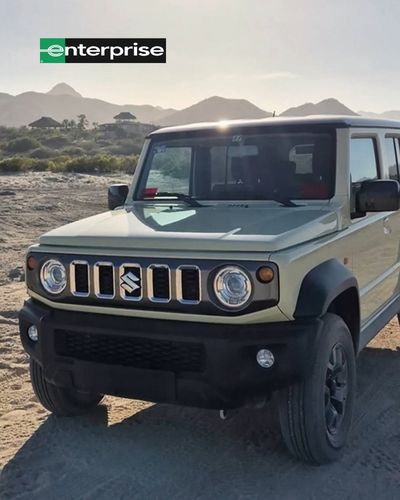
An economy or compact car can be practical for city travel and major highways. If your itinerary includes more challenging terrain, an SUV may provide additional space and a driving position that suits your preferences. Enterprise’s Canadian fleet includes compact, intermediate, full-size, luxury, electric, SUV, and van categories.
Winter travel deserves particular attention. Snow, ice, and low temperatures can change driving conditions significantly. When travelling during the colder months, check the requirements and conditions applicable to your rental location and route. Enterprise lists vehicles equipped with winter tires at certain Canadian locations, including an intermediate car with winter tires in its current vehicle selection.
Do not select a vehicle solely because it looks capable. Instead, confirm the actual equipment available for your rental and understand the driving conditions you are likely to encounter. Allow additional travel time when weather is poor and check local road conditions before setting out.
Good preparation is especially important when your itinerary takes you away from major cities. Fuel availability, mobile coverage, weather, and road conditions may vary considerably across different parts of Canada.
Consider a One-Way Rental for Longer Journeys
Not every road trip needs to begin and end in the same city. If your plans involve travelling between two destinations, returning the vehicle to the original branch can add unnecessary driving. A one-way rental can sometimes make the itinerary more efficient.
Enterprise offers one-way rentals between participating locations in Canada. Depending on the pickup and return locations, a one-time drop charge, mileage or kilometre charge, or higher rental rate may apply. These costs are disclosed during the booking process when applicable.
This option can work particularly well for journeys where the destination is more important than completing a circular route. For example, you could arrive in one Canadian city, explore the surrounding area by car, and finish your journey somewhere else before continuing by air or another form of transportation.
Before choosing a one-way rental, compare the total cost with the cost of returning the vehicle to its original location. A one-way booking can save time, but any additional charges should be included in your travel budget.
It is also important to reserve one-way rentals in advance because availability and eligible locations can vary. Checking the pickup and return branches before finalizing your itinerary can prevent last-minute complications.
Plan Pickup, Extras, and Rental Requirements
The rental experience starts before you receive the keys. Make sure you understand the requirements at your selected Enterprise location and have the necessary documents and payment method ready.
Enterprise Canada states that renters generally need a valid driver’s licence with a photo, photo identification, and an accepted credit or debit card. Drivers under 25 may be subject to a young driver fee depending on the rental location. Additional requirements and payment rules can vary, so checking the location’s specific terms before travelling is important.
Think about additional equipment before pickup as well. Depending on your journey, you may need a child seat, GPS, or other available equipment. Enterprise’s Canadian rental information also highlights considerations such as toll roads, mileage restrictions, protection options, and deposits.
If you are picking up from a non-airport location, Enterprise offers a free pickup service during normal business hours at eligible branches, although arrangements need to be made with the local office and availability can vary.
Before driving away, inspect the vehicle and make sure you understand the return instructions. Save the branch contact details so you know whom to contact if your plans change during the journey.

Make the Return as Simple as the Pickup
A smooth road trip should finish with an equally straightforward vehicle return. Before beginning the journey, confirm exactly where and when the vehicle must be returned. This becomes particularly important for one-way rentals, airport returns, or locations with specific after-hours procedures.
Enterprise notes that airport locations may allow after-hours returns, while non-airport branches generally require vehicles to be returned during normal business hours unless an after-hours service has been arranged. Vehicles returned after hours at eligible locations may not be checked in until the next business day.
Build enough time into your final travel day to refuel if required, remove personal belongings, and reach the return location without rushing. If you are returning the vehicle at an airport, allow time to complete the return process and reach your terminal.
It is also useful to keep your rental agreement and receipts until the rental has been fully processed. If the vehicle is being returned to a different location, make sure the one-way arrangement was confirmed before starting the journey.
Ultimately, choosing a rental car for a Canadian road trip is about matching the vehicle to the journey. Start with your route, number of passengers, luggage, season, and driving conditions. Compare compact cars with SUVs or vans according to practical needs, consider a one-way rental when it can simplify your itinerary, and check all requirements before pickup. With the right preparation, Enterprise can provide the flexibility to explore Canadian cities, highways, scenic routes, and longer-distance destinations while keeping your transportation aligned with the way you actually want to travel.